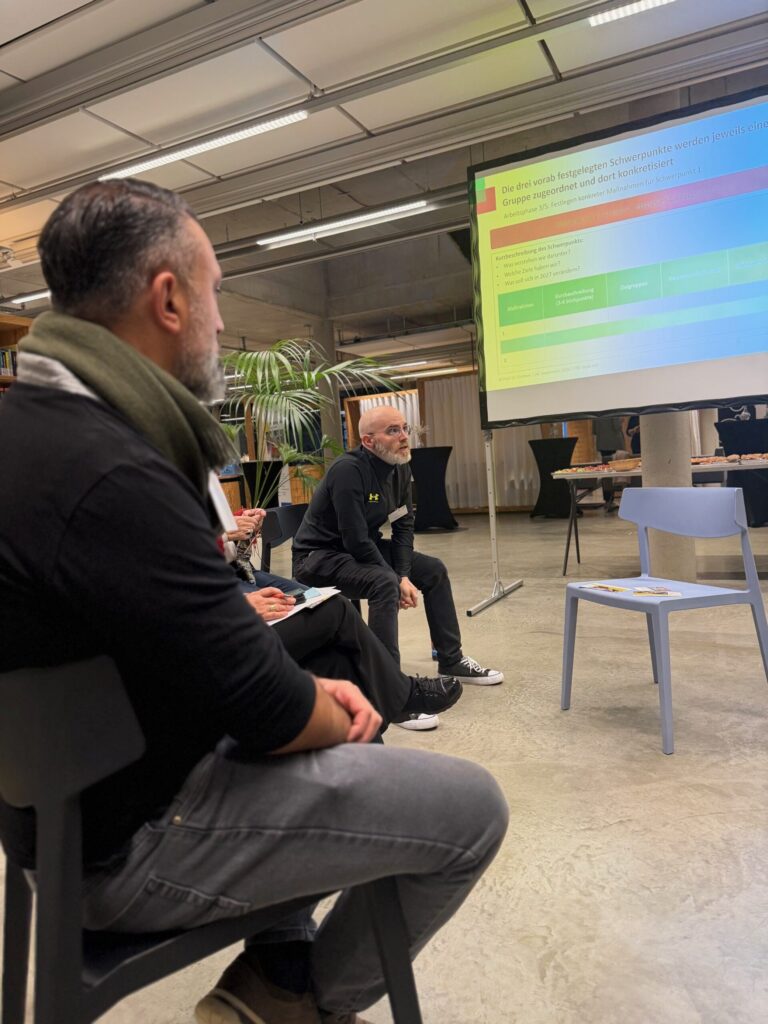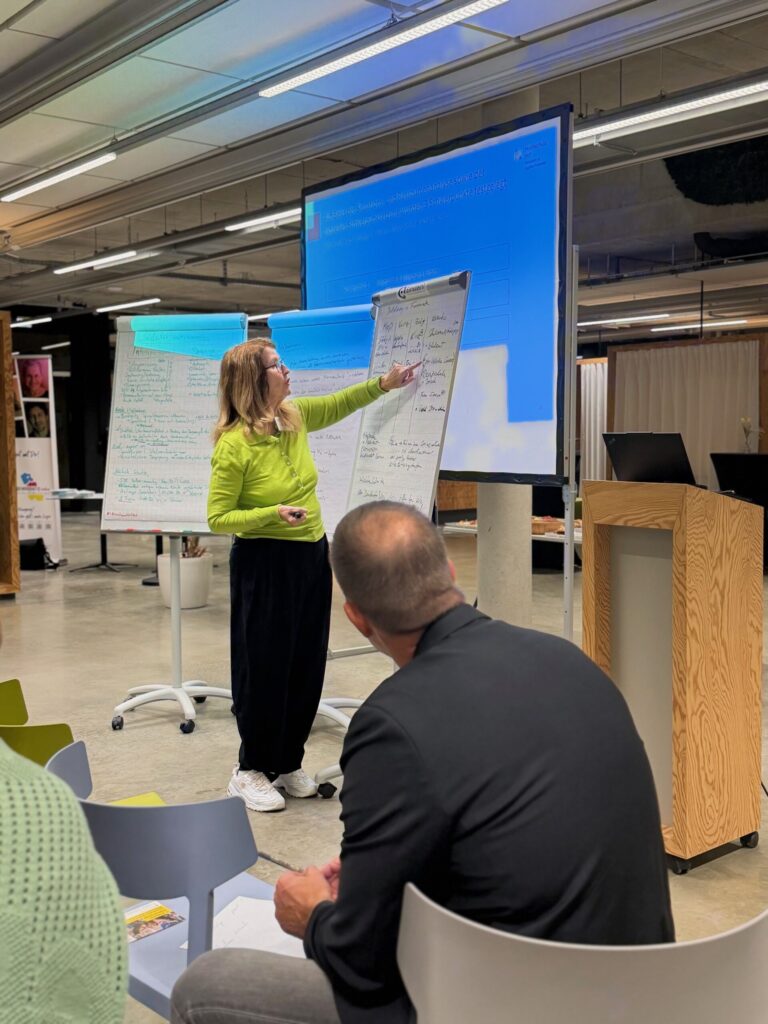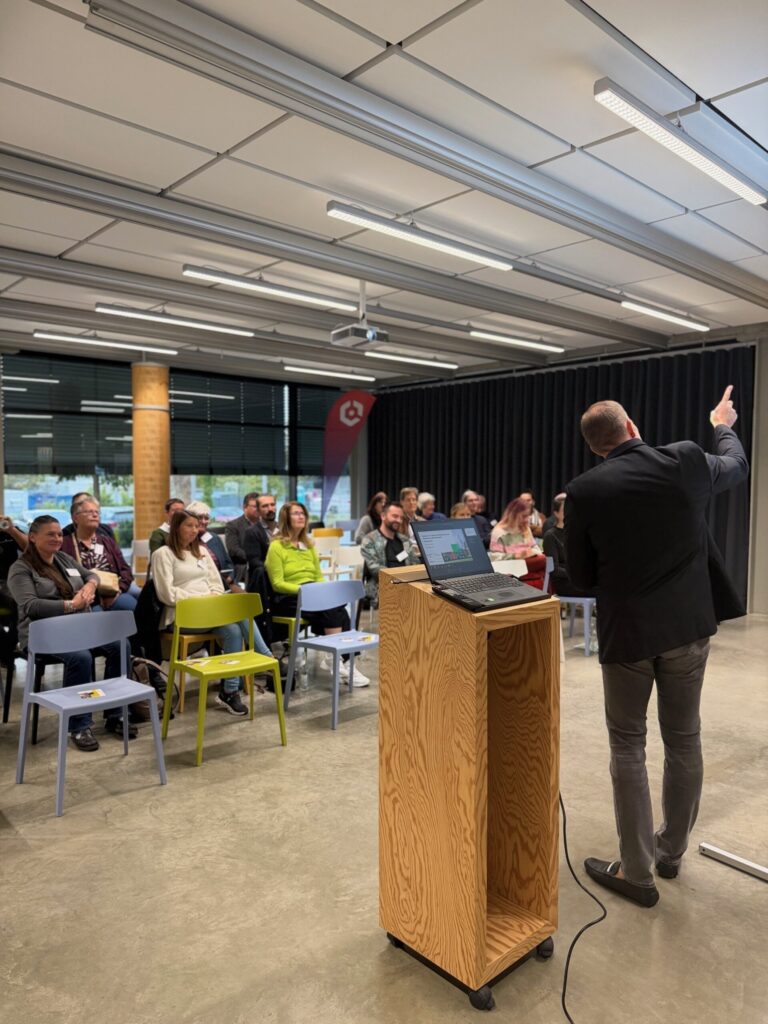


What is the state of democracy, social cohesion, and political participation in the city of Hof and in the districts of Hof, Wunsiedel in the Fichtelgebirge, and Tirschenreuth? This central question was the focus of a comprehensive academic study conducted by Hof University of Applied Sciences. The study provides an analysis of the current situation and resources of the four regional “Partnerships for Democracy” as part of the federal program “Demokratie leben” (Living Democracy). The findings were presented at a conference held at the Einstein1 Startup Center.
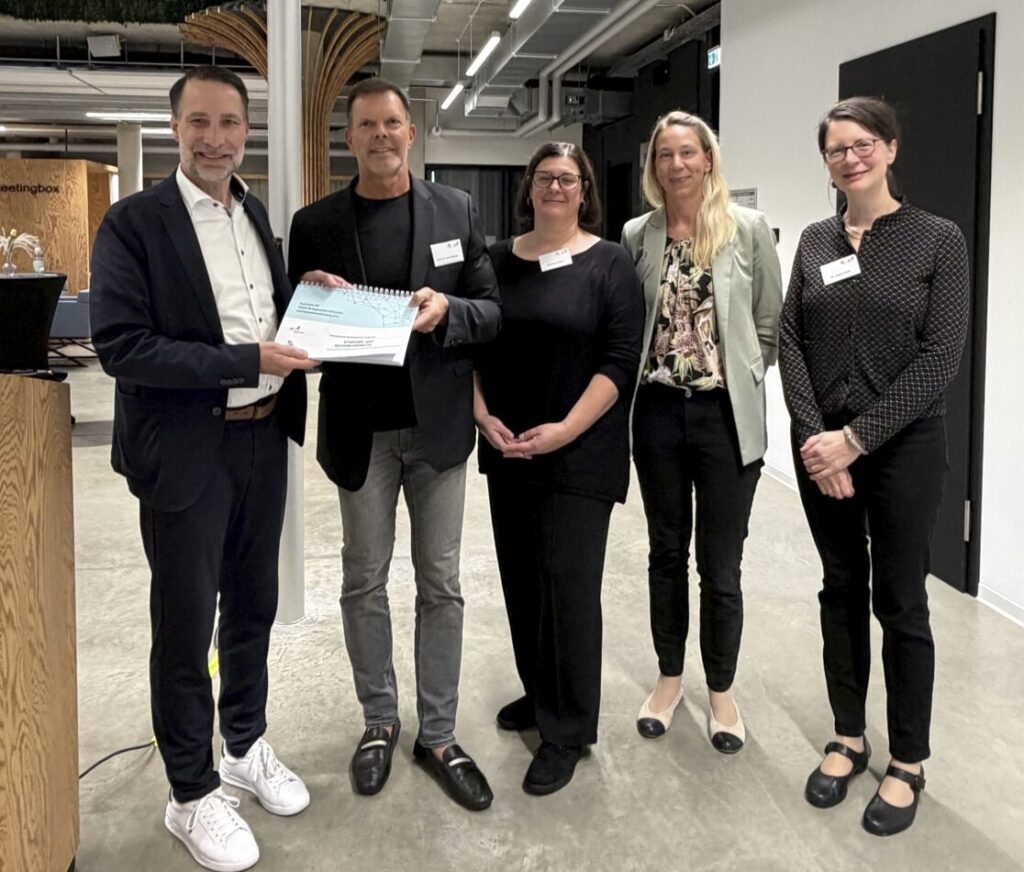
The research was conducted by Prof. Dr. Jens Kirchner, Sabrina Bauer, and Lisa-Marie Mosebach. The aim of the studies was to create a scientifically sound foundation for the strategic advancement of local democracy promotion within the framework of the federal program “Demokratie leben!”
Effectiveness, Orientation, and Strategic Development
The analyses focused on systematically mapping the initial social context in the four regions under consideration. Demographic, social, economic, and political developments were taken into account, as were existing stakeholder structures, networks, and ongoing measures to promote democracy. The evaluation of statistical data was supplemented by 43 guided expert interviews with representatives from local politics, public administration, educational institutions, civil society, welfare organizations, and specialized agencies.
“The goal was not only to highlight problem areas but also to identify concrete starting points for making democracy promotion at the local level more effective, sustainable, and better connected.”
Prof. Dr. Jens Kirchner
The combination of quantitative structural data and qualitative assessments enables a realistic and nuanced evaluation of the regional situation.
Key Findings: Demographic Change, Polarization, and Deficits in Participation
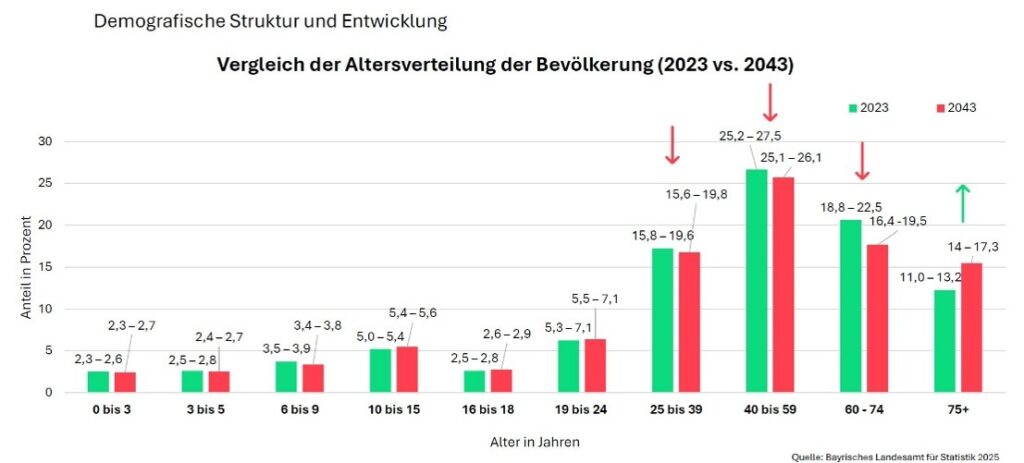
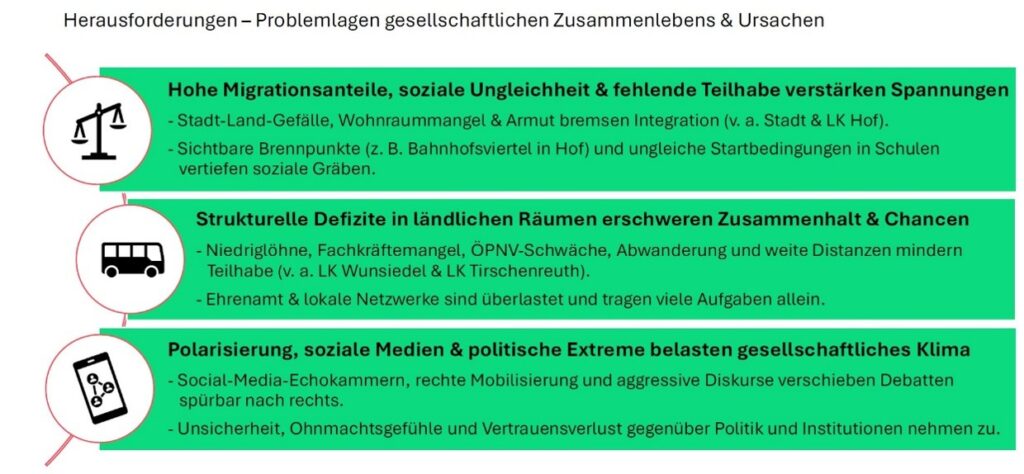
The studies clearly show that all four regions face similar structural challenges—albeit to varying degrees. Demographic change is advancing noticeably: the proportion of older people is growing sharply, while the number of young people and the working-age population is declining. At the same time, unemployment and social inequalities are on the rise, particularly among older people, foreign nationals, and the long-term unemployed.
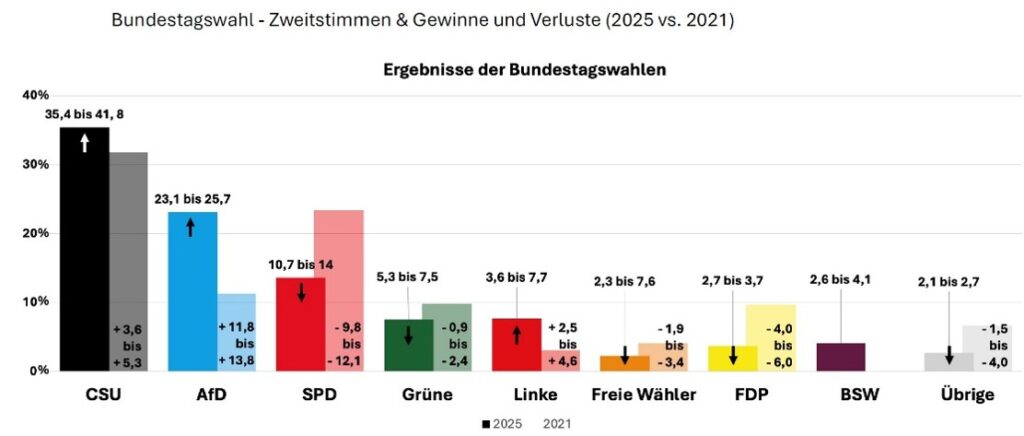
Politically, increasing polarization is evident. While traditional parties are in some cases suffering significant losses, the share of the vote for populist movements on the fringes remains high. At the same time, politically motivated crime has more than doubled over the past ten years.
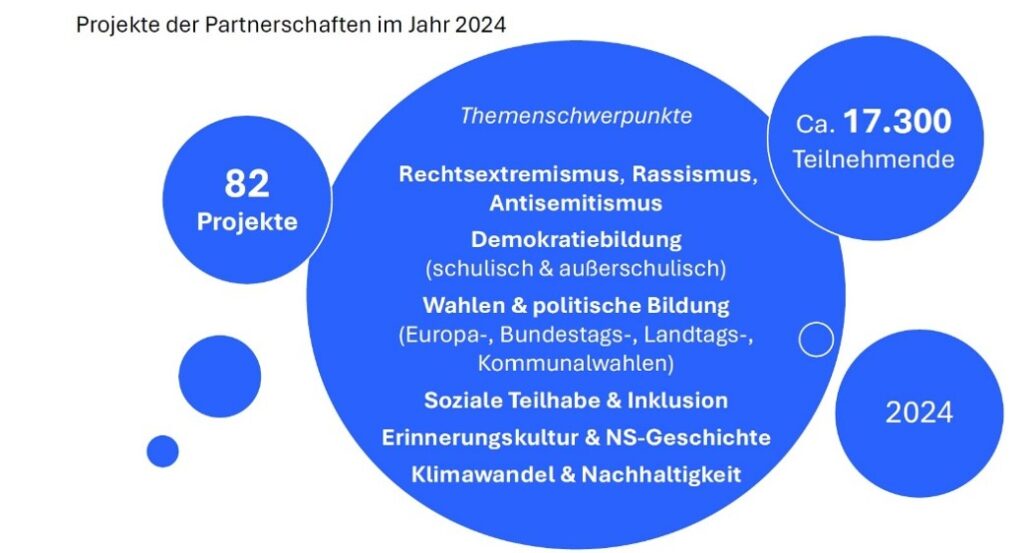
Despite these challenges, the Partnerships for Democracy are already making an important contribution: In 2024 alone, 82 projects involving approximately 17,300 participants were implemented—including in the areas of democracy education, extremism prevention, political education, social participation, and remembrance culture.
Five Areas of Action as a Strategic Framework
Based on the analysis, the authors derive concrete, prioritized recommendations for action, which are organized into five overarching areas of action and were further developed in workshops with the partnerships.
Governance and Impact
The report recommends a stronger focus on impact and quality. Simple evaluation tools, clear goal definitions, and annual thematic priorities are intended to help pool resources and highlight successes. In addition, more professional coordination of the networks is encouraged to better integrate smaller actors and ensure the long-term sustainability of projects.
Networks and Access
To reach more people, networks should be expanded in a targeted manner, and so-called “bubble effects” should be overcome. New groups of stakeholders—such as those from associations, churches, the business sector, or emergency services—should be more closely involved. Removing barriers to mobility, for example through mobile services or “democracy shuttles,” is identified as a key lever for increasing participation, particularly in rural areas.
Education and Formats
Civic education should be designed to be continuous and relevant to real life—from early childhood education through adulthood. Schools are seen as central venues for democracy education but require stronger structural support. Low-threshold, digital, and hybrid formats—particularly via social media—are considered key to engaging young and previously hard-to-reach target groups.
Protection and Support
In light of increasing hostility toward local politicians, the studies recommend expanding protection, counseling, and support structures. At the same time, radicalization tendencies should be identified early on, and administrative staff and specialists should receive targeted training.
Integration and Transitions
Democratic participation succeeds where integration is actively fostered. A culture of welcome in practice, better integration of language, education, and work, and the strengthening of neighborhood-based initiatives and community spaces are considered central prerequisites for social cohesion.
Science as a Guide for Practice
“With these studies, the four Partnerships for Democracy now have, for the first time, a comprehensive, comparable, and practical analysis of their spheres of influence. It is intended to support municipalities, policymakers, and civil society in making democracy-building efforts even more targeted, sustainable, and impact-oriented in the future,” concluded Prof. Dr. Jens Kirchner.