

Antje Glück, alumni manager at Hof University of Applied Sciences, recounts a special trip to India: In September 2026, together with alumni, students, and entrepreneurs from the Hof region, she explored the technology and business hubs of Bengaluru and Pune, immersed herself in the culture of South India, and experienced just how closely Hof University’s network is now connected to India.
Photos: Hof University of Applied Sciences;
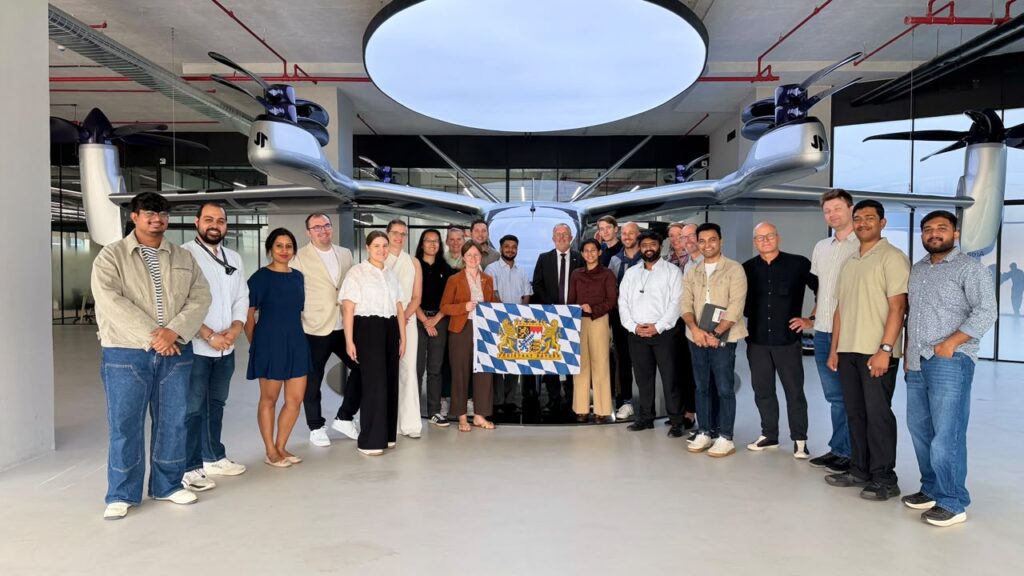
“It was a first: In September 2026, we offered our first trip to India for Hof University alumni. Together with alumni, students, and entrepreneurs from the region—as part of the delegation led by Hof District Administrator Dr. Oliver Bär and our university president, Prof. Dr. Dr. h.c. Jürgen Lehmann—we wanted to get to know India from different perspectives and further strengthen the connection to Hof. The trip was a joint project of the Bavarian India Center (BayInd) and Hof University of Applied Sciences.
Hof University of Applied Sciences has been active in India since 2006. With this trip, we wanted to bring this established network to life while simultaneously breaking down barriers between people and cultures. Our goal was to convey as broad a picture as possible of a country where tradition, economic dynamism, and technological development intersect directly. Our program was correspondingly diverse: We visited major corporations such as Infosys as well as young startups, technology centers, and socially relevant organizations.
Technology, Startups, and Social Change
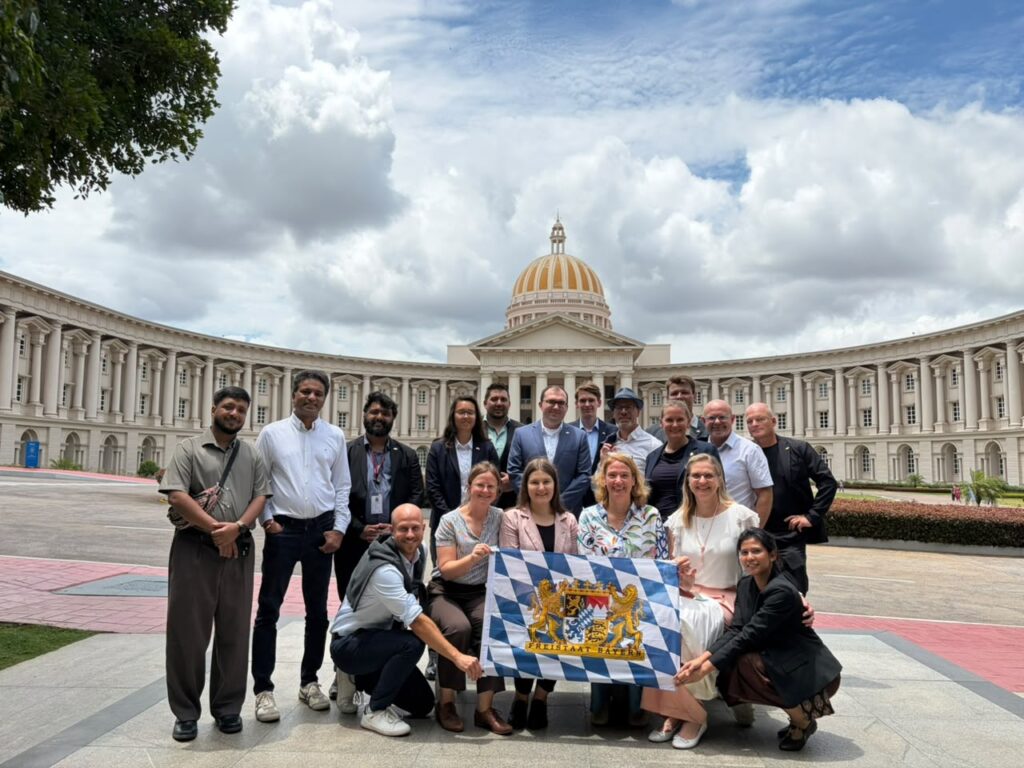
A key focus was on India’s digital future. Bengaluru, formerly known as Bangalore, is the capital of the state of Karnataka with a population of several million and is considered one of Asia’s most important technology and startup hubs. At the TIA Summit and ARTPARK, we experienced a dynamic ecosystem where innovative ideas meet dedicated founders, investors, and venture capitalists.
At the same time, we saw that digitalization is not just about creating economic opportunities. At the EkStep Foundation, we learned how digital solutions, for example, give farmers better access to knowledge and information. At the Bengaluru Traffic Management Center, we then saw how artificial intelligence, cameras, and data are used to manage the traffic challenges of a metropolis with a population of over a million.
Culture and Collaboration
An equally important part of the trip was the personal exchange. During a fireside chat with a representative from Krones Digital Solutions, we discussed intercultural collaboration and different work styles. Dina Weber from SAPA Bakery shared insights into her personal journey as an entrepreneur in India and explained how she established her bakery there.
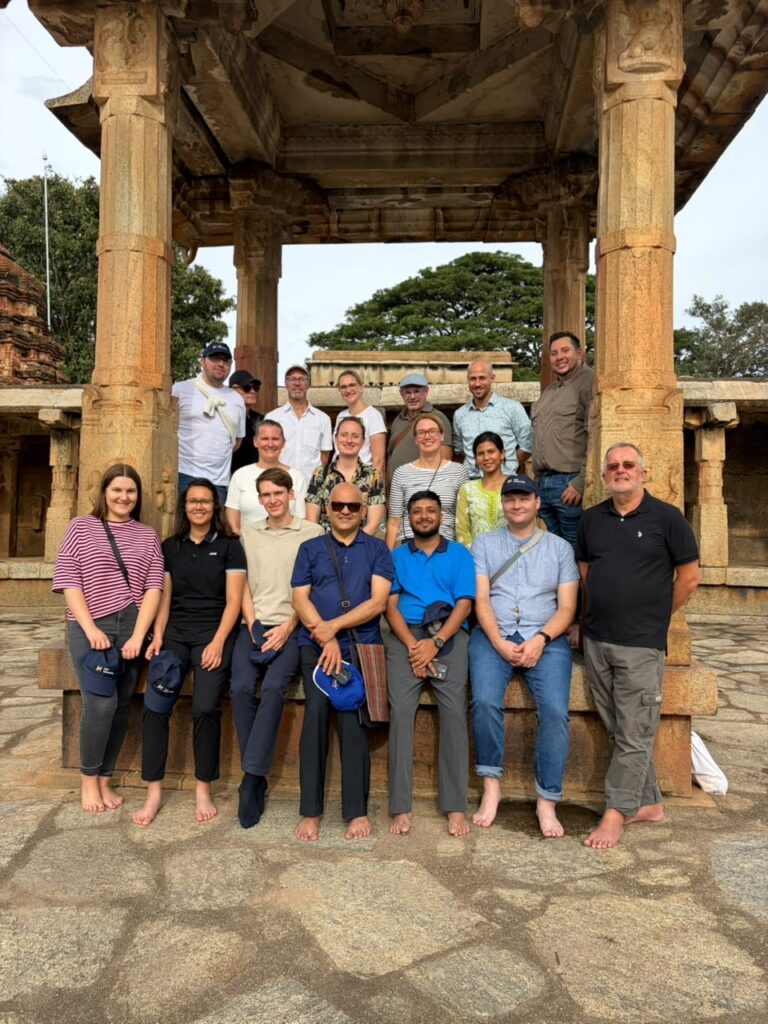
The cultural experiences were also diverse: At the flower market in Bengaluru, we were impressed by the vibrant colors and abundance of flowers traded there daily for temples, festivals, and everyday life. We visited the Bhoganandishwara Temple, one of the oldest temple complexes in the region around Bengaluru, whose origins date back to the 9th century.
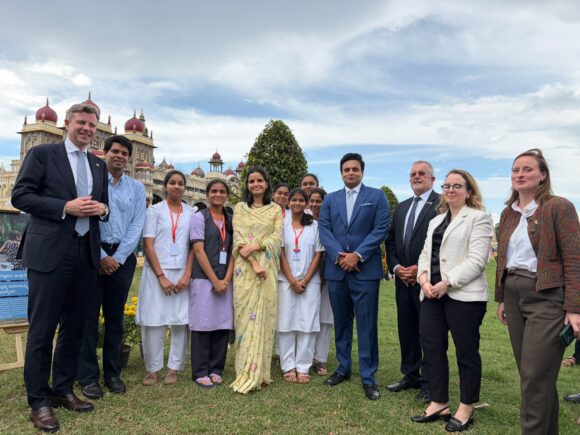
In Mysore, we visited the magnificent Mysore Palace, one of the most famous landmarks in South India and known above all for its architecture and elaborate lighting. At the concluding cooking event, we also experienced firsthand the diversity and delights of Indian cuisine.
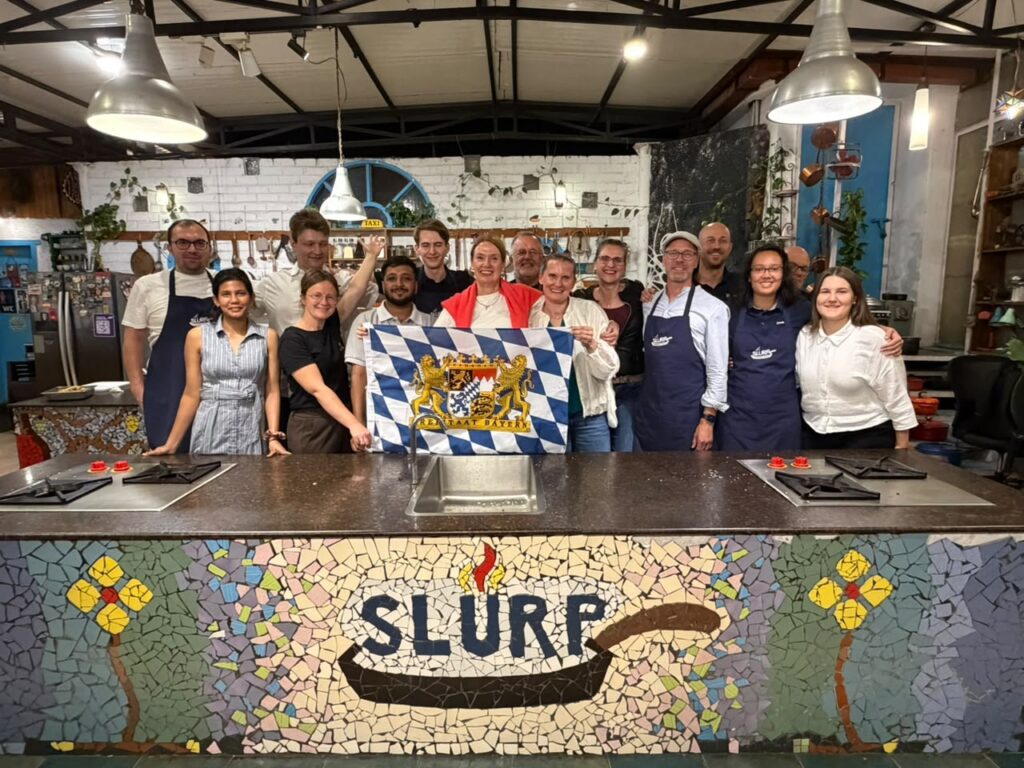
We also owe our opportunity to gain such diverse perspectives to BayInd and the India Office of Hof University in Bengaluru. They established numerous contacts, organized visits, and accompanied us on site—thank you very much for that!
A Network Across Borders
We particularly enjoyed meeting with our alumni in Bengaluru and Pune. With its numerous universities, research centers, and companies, Pune is an important educational and economic hub in the state of Maharashtra. We met former exchange and full-time students who now live in India again. A familiar sense of connection quickly developed, one that extends far beyond our time studying together.
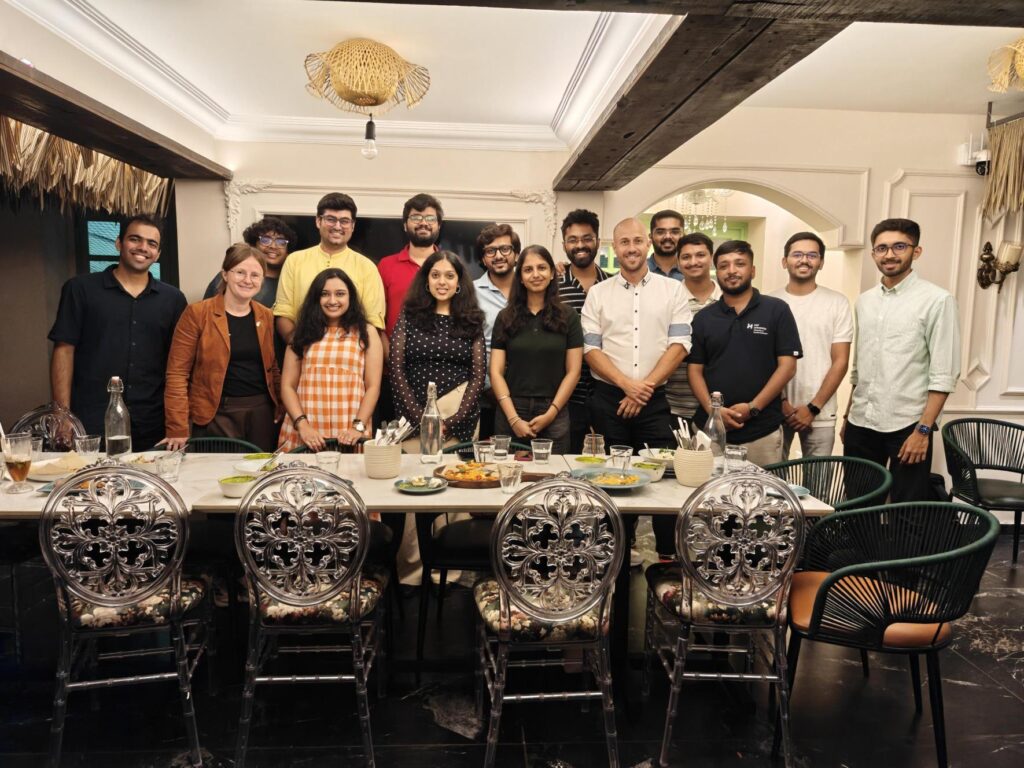
Our trip to India was therefore far more than just a visit to an important partner country. We experienced a country where technological dynamism, economic opportunities, social challenges, and centuries-old traditions come into direct contact with one another. Above all, however, we met people who keep our connection to India alive.
This highlighted what our alumni network—which has repeatedly provided financial support for the trip, even on the ground—is capable of achieving: The time we spent together at the university creates bonds that endure across national borders and for many years to come. We would like to continue nurturing these connections—through our alumni network, which creates opportunities for exchange, new encounters, and shared activities.”