

Peace does not begin only when the guns fall silent. It also takes root where people work together to ensure that water remains clean, land can be cultivated, and a community stays united despite difficult conditions. To mark the International Day of Peace on September 21, the FRAU-PAZ research project is therefore focusing on a special perspective: women in the Magdalena Medio region of Colombia who protect the natural and social foundations of life every day.
A publication titled “Where Women Sustain Life: Environmental Peace and Territorial Feminisms in the Magdalena Medio” has been released, highlighting women’s experiences and perspectives. The Institute for Sustainable Water Systems (inwa) at Hof University of Applied Sciences also participated in the project.
What does “environmental peace” actually mean?
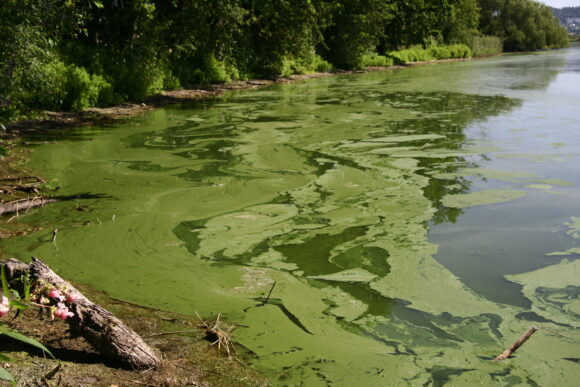
The term “environmental peace” goes beyond the traditional understanding of peace. It refers to a state in which people not only live together without violence but also protect their natural foundations of life and peacefully resolve conflicts over water, land, and resources. In this sense, environmental peace links ecological and social issues: Where water is scarce or polluted, land is destroyed, or people lose access to natural resources, social tensions and conflicts can arise. Conversely, the joint protection of the environment and the foundations of life can strengthen communities and thus contribute to peace.
For the women in Magdalena Medio, this connection is something they experience firsthand.
“When we talk about peace, we must not think only of the end of violence. Peace also means protecting the conditions under which life is possible in the first place.”
Paola Acosta Carrascal, project staff member
A territory is more than just a piece of land
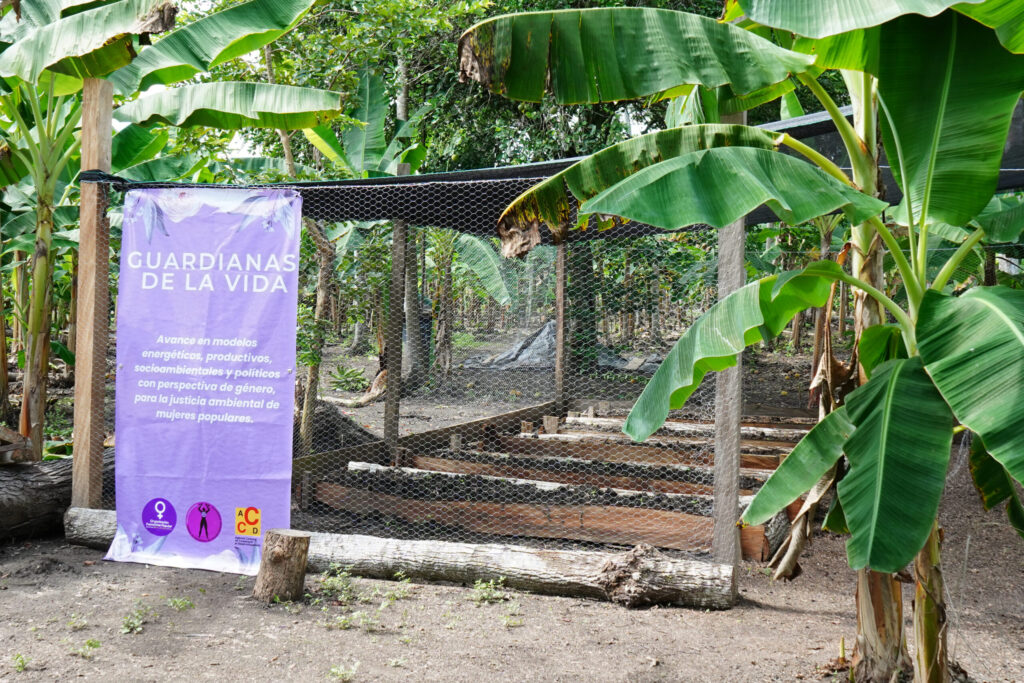
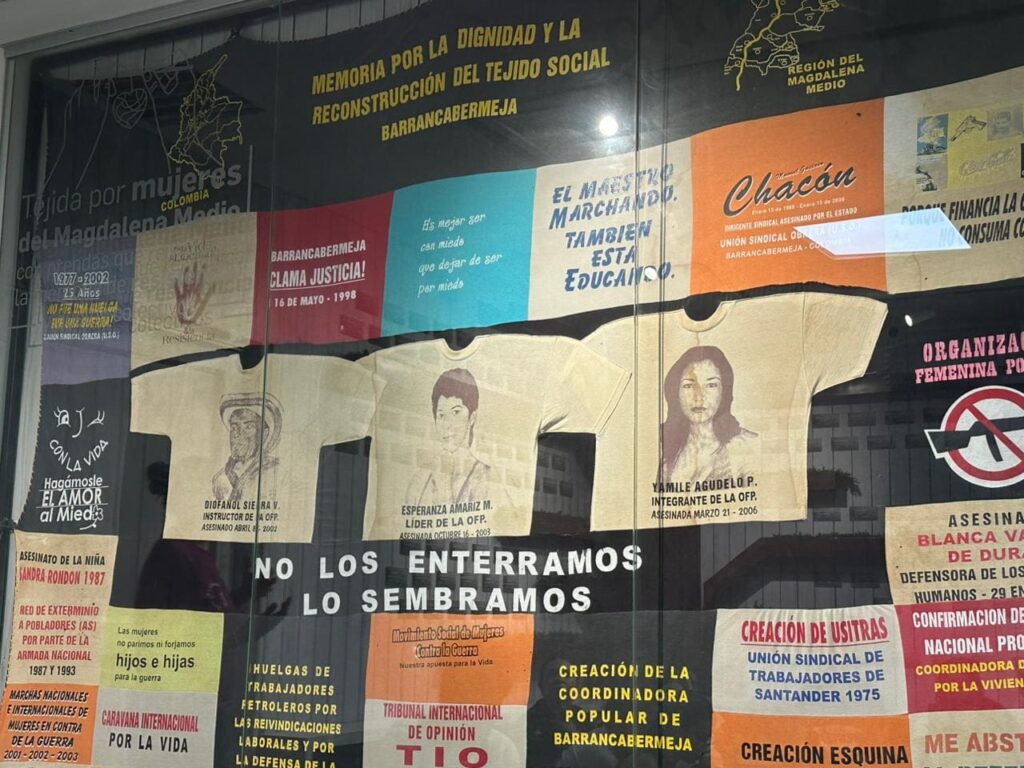
FRAU-PAZ was implemented in 2025 and 2026 with the participation of inwa at Hof University and in collaboration with partners in Germany and Colombia. The focus is on the Organización Femenina Popular (OFP), a women’s organization that has been active in the Magdalena Medio region since 1972. The publication examines experiences from Barrancabermeja and Ciénaga del Opón in particular. The concept of “territory” plays a central role here. It refers to more than just a geographical area. For local people, the territory is a living space, a place of memory, and the foundation of family, social, and economic relationships. Water and land are therefore not simply resources to be exploited. They are part of everyday life and closely linked to the question of how a community can shape its future.
Women Organize, Protect, and Create Opportunities
This publication combines a conceptual perspective on environmental peace and territorialfeminisms with concrete experiences from everyday life. The focus is on women and their efforts to protect water and land, their forms of community organization, and their concern for local living conditions. This is precisely where a central perspective of the project lies: peace work does not take place exclusively in political negotiations or official peace processes. It can just as easily emerge in everyday life—when people take responsibility for one another, protect their environment, and stand together against the destruction of their livelihoods.
The women’s stories show that environmental and peace issues cannot be separated from one another. Those who protect water, land, and community are simultaneously contributing to a more peaceful coexistence.”
Paola Acosta Carrascal
A Different Perspective on Peace
International Day of Peace on September 21 thus offers an opportunity to reflect more deeply on the concept of peace. The experiences from the Magdalena Medio region show that peace is not merely a political agreement or the absence of war. It also has an ecological dimension.
Where people have access to clean water, can preserve their livelihoods, and take joint responsibility for their environment, the conditions for social cohesion are created. Environmental peace describes precisely this connection: peace among people and the responsible management of natural resources are considered together.
The publication is freely available
Anyone interested in learning more about the experiences of women in the Magdalena Medio region and the connection between the environment, gender justice, and peace can read the publication “Where Women Sustain Life: Environmental Peace and Territorial Feminisms in the Magdalena Medio” free of charge.
The publication is available in three languages: German, English, and Spanish.