

Rising energy costs, ambitious climate goals, and growing uncertainty in the energy markets make an efficient energy supply a key competitive factor for companies. A workshop organized by the continuing education network as part of the EnerTECH project on October 22, 2026, at Josef Witt GmbH in Weiden, Upper Palatinate, demonstrated how technical innovations, economic considerations, and strategic risk management can be combined in this context.
Under the title “Energy Efficiency in Practice,” participants gained insights into the modernization of the WITT Group’s energy supply and discussed the importance of sustainable energy concepts for the future viability of companies.
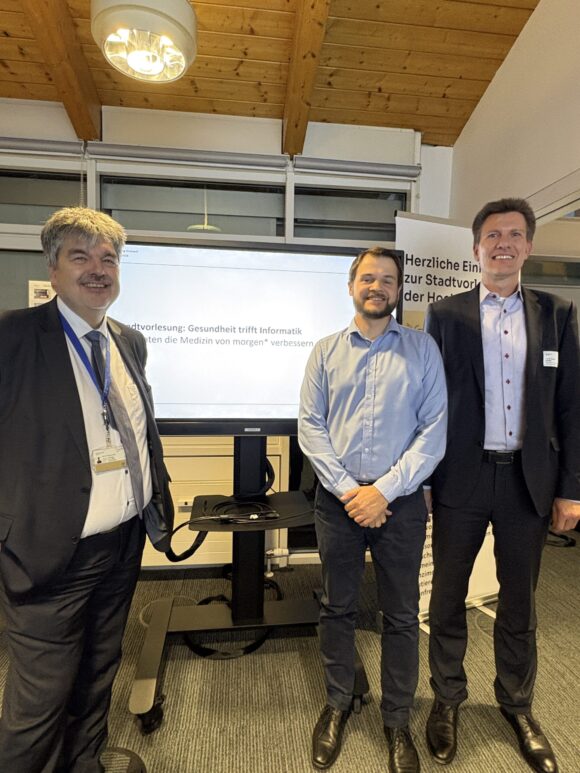
The event began with a presentation on the WITT Group and its Weiden location by Franz Gebert, head of the building management and building services department. Mattias Schnurrer, a utilities engineer and energy management officer, then explained the renewal of the site’s energy system in his presentation titled “From Gas Boiler to Heat Pump—A Paradigm Shift.”
The starting point for this realignment included, among other factors, the end of the service life of existing heating and cooling systems as well as necessary building renovations. At the same time, the company sought to increase energy efficiency and make greater use of energy recovery opportunities. Added to this were the Group’s ambitious climate goals, rising demands for sustainable business operations, and the increasing volatility of fossil fuels. The planning process made it clear just how many technical, environmental, and economic factors must be taken into account when making such an investment decision.
Heat Pumps, Waste Heat Recovery, and Photovoltaics: Potential for Greater Energy Efficiency
Of particular interest were the studies on the potential integration of a heat pump-ice storage system. Among other things, the analysis examined the extent to which low-temperature waste heat generated internally within the data center could be utilized and what environmental and economic benefits this would yield.
The results showed that both costs and CO₂ emissions can be significantly reduced compared to the previous energy supply. Ultimately, the decision was made in favor of a heat pump solution with a buffer storage tank. The ice storage system originally considered was ruled out due to its higher capital costs. Further potential for optimizing operational management is to be explored in the future. This includes, in particular, the use of photovoltaic electricity and the avoidance of peak loads.
Energy Efficiency as Part of Operational Risk Management
Nicole Bierwert (iwe) made it clear in her presentation “Operational Energy Efficiency as Part of Risk Management” that sustainable energy supply is not merely a technical task. She highlighted how so-called polycrises and global megatrends present companies with ever-changing challenges and why proactive action plays a decisive role in this context.
Using examples from the business world, she illustrated the potential consequences when companies either address necessary changes early on or cling to existing structures for too long. The key message: Successful risk management is not limited to internal processes. Rather, companies must also recognize external developments and changes in their economic environment in a timely manner and incorporate them into their strategic decisions. Forward-looking energy planning can help reduce dependencies and strengthen a company’s resilience to economic and geopolitical changes.
Insights into Technical Implementation on Site
Following the two presentations, a joint Q&A session provided an opportunity for professional exchange and discussion of the approaches presented. During the subsequent company tour, participants were able to experience the measures previously explained firsthand on-site.
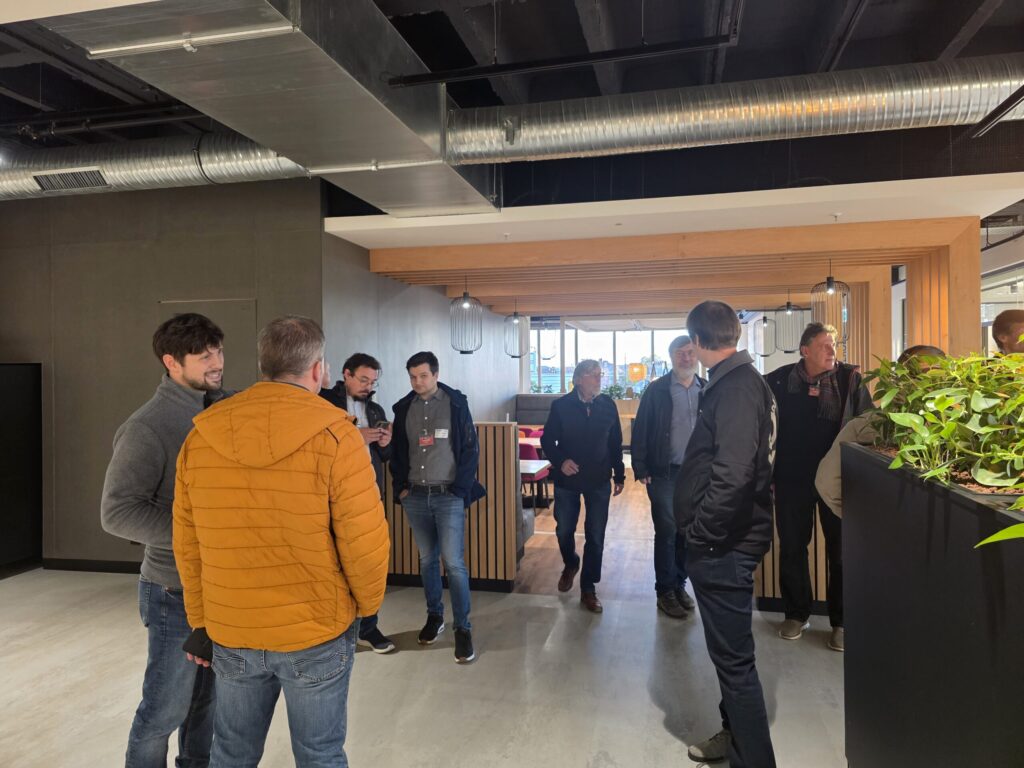
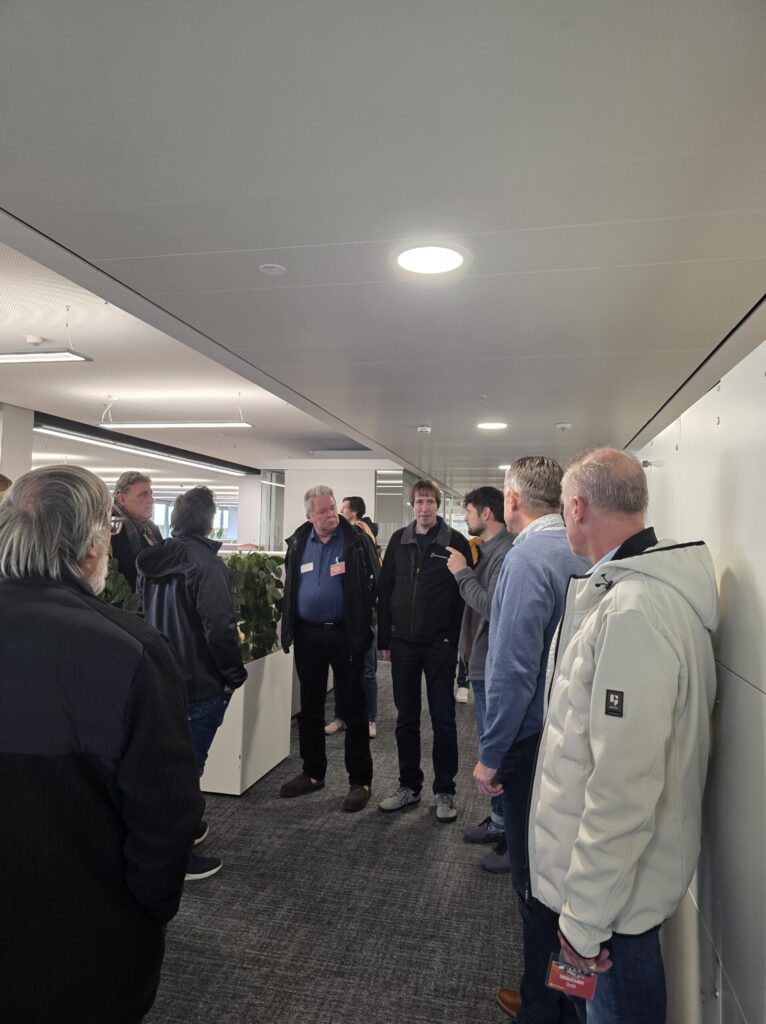
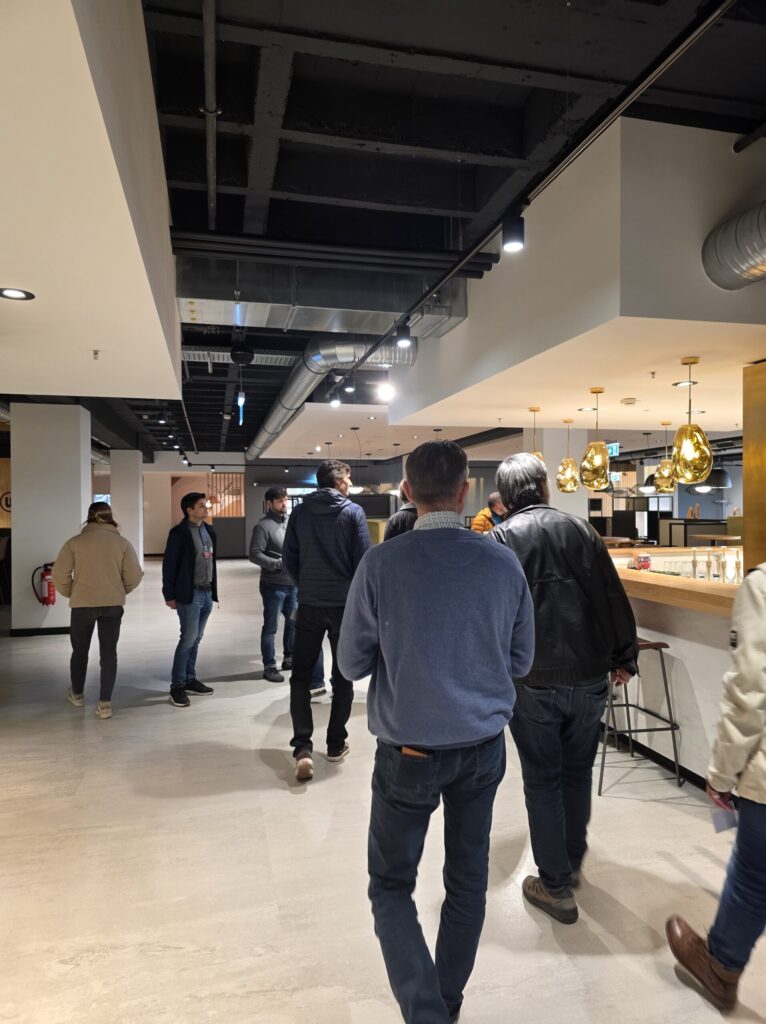
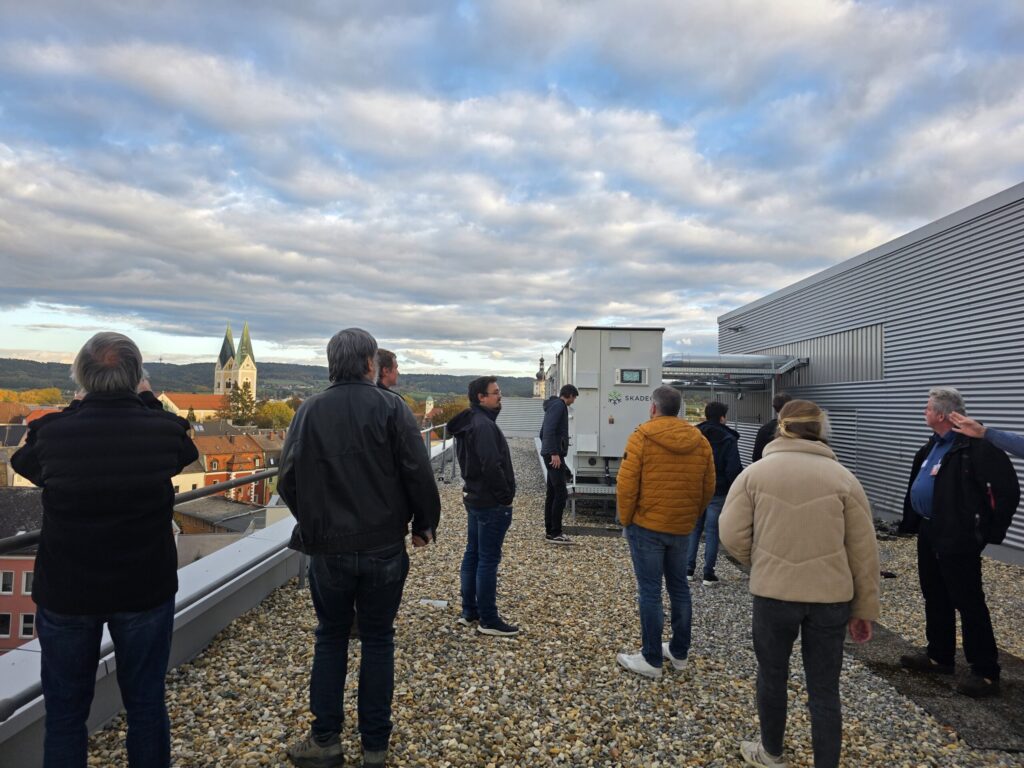
A particular highlight was the exclusive access to the roof of the administration building in the heart of Weiden. From there, participants not only enjoyed a panoramic view of the city but also had the opportunity to see the newly installed heat pump up close and learn more technical details. The event concluded with a tour of the modernized cafeteria at Josef Witt GmbH.
EnerTECH: Energy Efficiency as a Future Challenge for Companies
The workshop made it clear that operational energy efficiency goes far beyond individual technical measures. It requires sound planning, economic considerations, and a willingness to critically examine existing supply concepts. The direct insight into the implementation at the WITT Group provided network members with valuable ideas for identifying their own energy efficiency potential, reducing energy costs and CO₂ emissions, and actively shaping the future viability of their companies.